Flower waters and extracts in skincare: a plain-language guide
Updated · 3 min read
Flower waters and flower extracts are some of the oldest, most familiar ingredients in skincare. In a modern formula they mostly change how a product feels and how skin looks after it.
What they are
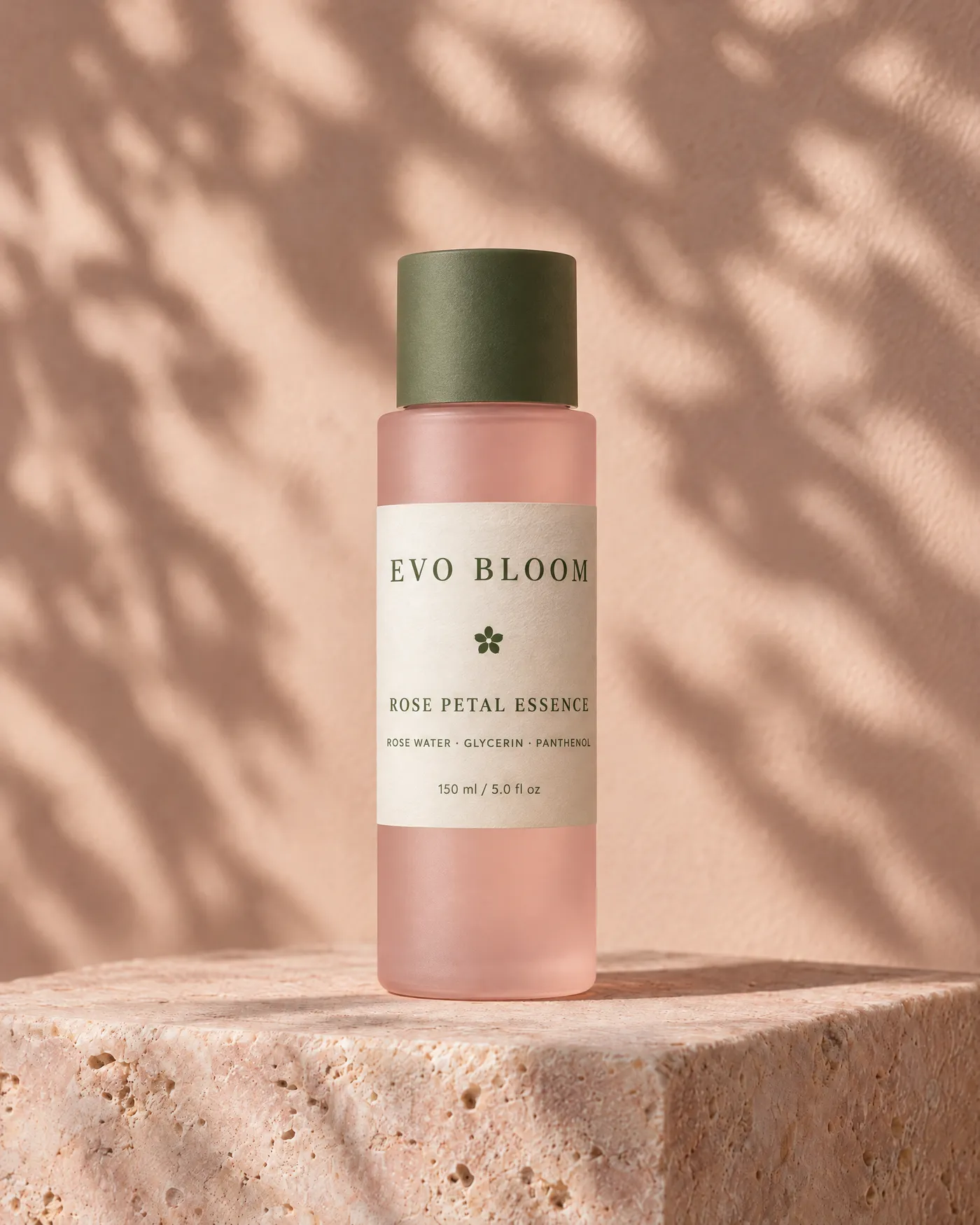
A flower water is the water left after petals are steam-distilled. On an ingredient list rose water usually appears as Rosa damascena flower water, and orange blossom water as Citrus aurantium amara flower water. They give an essence or mist a light, fresh feel.
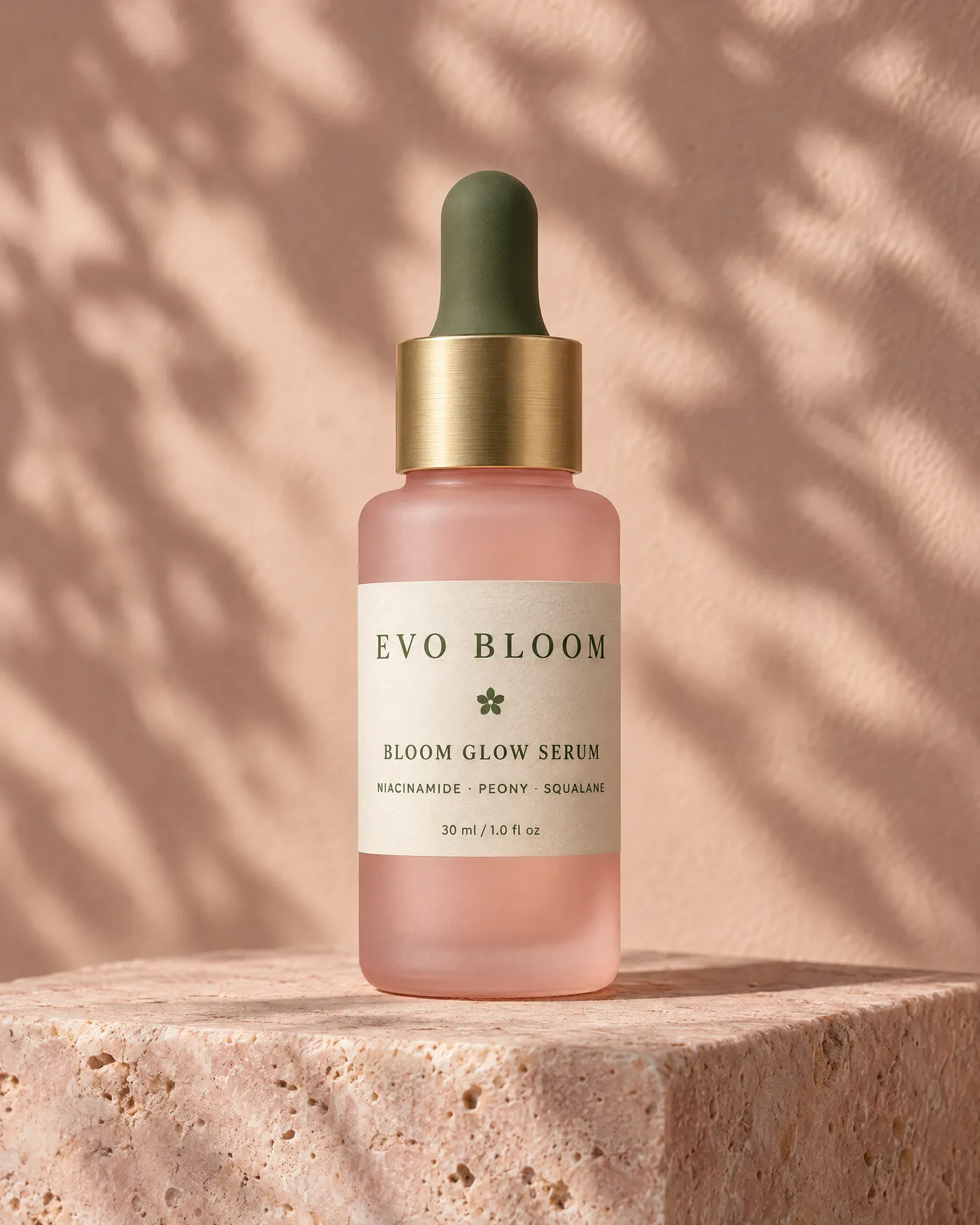
A flower extract is made by steeping petals or whole flowers in a liquid such as water or glycerin. Peony, hibiscus, marigold (calendula) and chamomile extracts appear under their botanical names and turn up in serums, gel creams and cleansers.
How they feel
Rose water makes an essence feel fresh and leaves skin feeling soft and comfortable. Hibiscus and peony extracts sit easily in water-light serums and gels that settle quickly without stickiness.
What they pair with
Flower waters and extracts work alongside other everyday ingredients rather than replacing them. A typical pairing might be:
- Hyaluronic acid or glycerin, for a hydrated, bouncy feel.
- Niacinamide, for skin that looks more even in tone.
- Squalane, shea butter or ceramides, to leave skin feeling soft and comfortable.
Building a simple routine
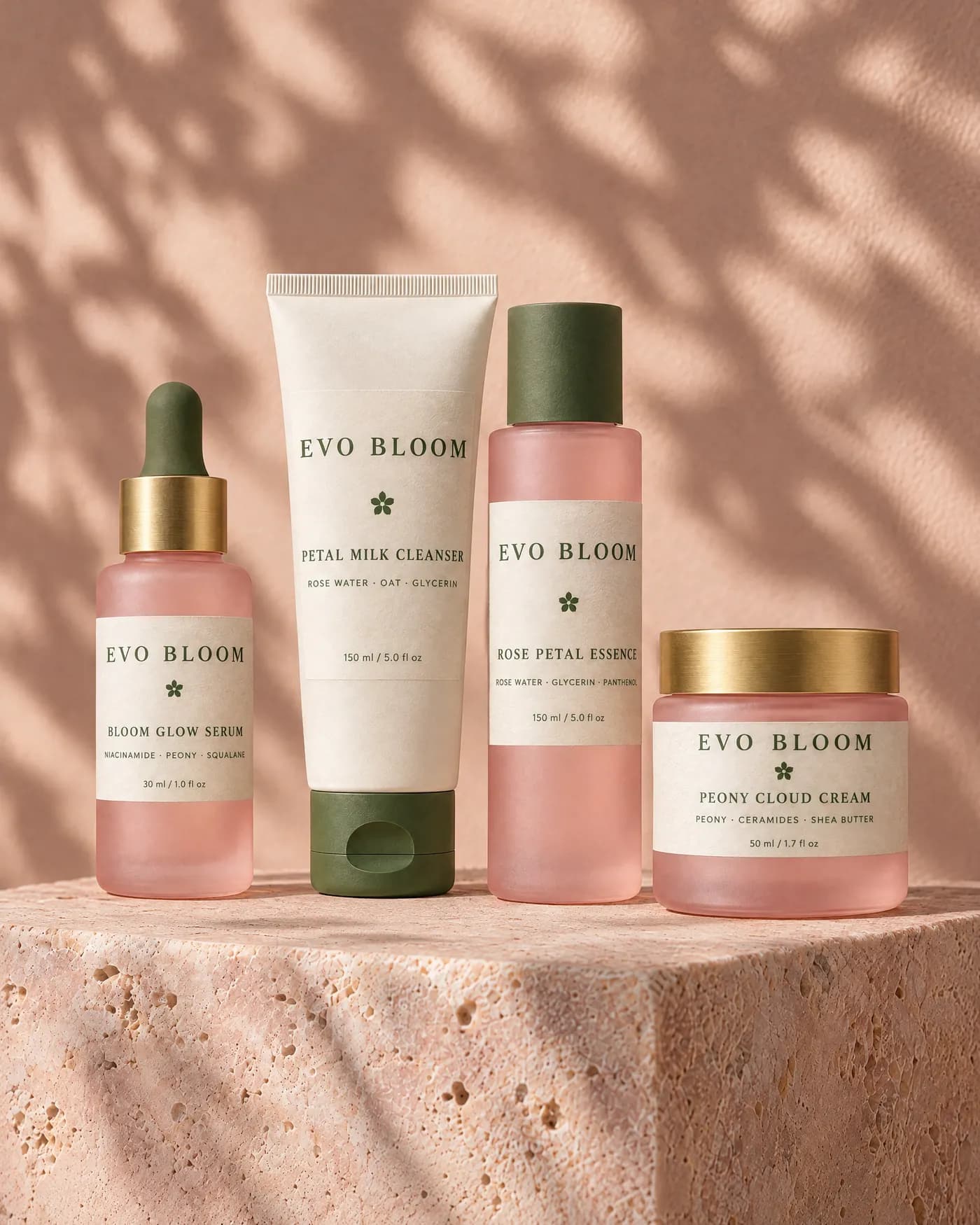
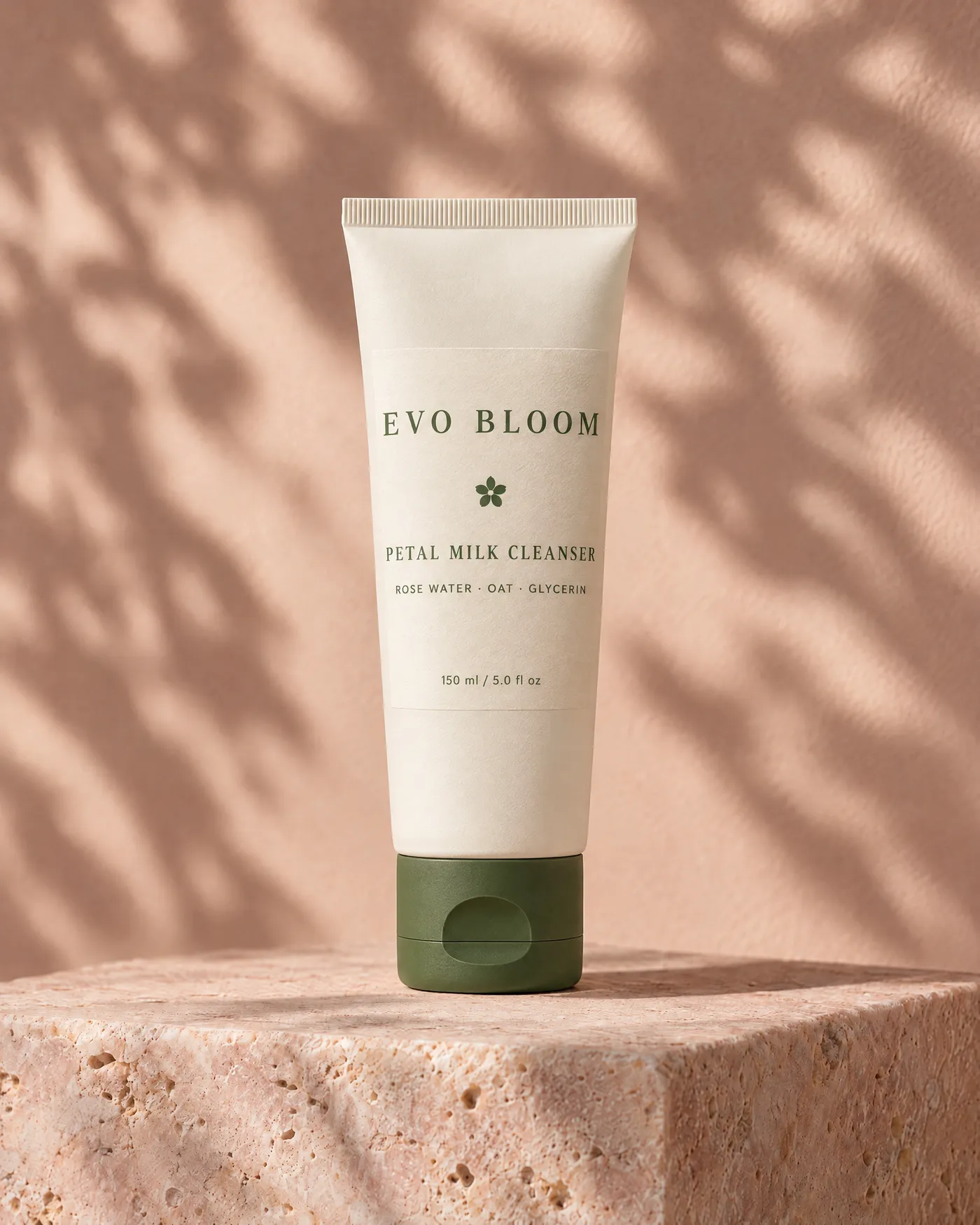
Keep it simple: a gentle cleanser, a light essence, a serum and a cream, morning and evening, with sunscreen as the final step every morning. Fresh-looking skin comes as much from skin that feels comfortable and hydrated as from any single ingredient.
Trying something new? Patch test it first, and stop using any product that causes irritation.
Questions
Are flower waters and extracts suitable for sensitive skin?
Every skin is different and the full formula matters more than one ingredient. Patch test first, check the full ingredient list on the packaging, and stop use if irritation occurs.
Is an essence the same as a toner?
They sit in the same step, right after cleansing. An essence is usually a little more textured and is pressed in with the palms; a toner is thinner and is often swept on. Use whichever you prefer.
For external cosmetic use. Patch test new products and stop use if irritation occurs. See ingredients & safety.